When it comes to barcode printing and self-adhesive labels, choosing between thermal transfer stickers and direct thermal stickers can significantly impact your operations, costs, and label quality. Whether you run a small e-commerce business in Delhi, manage a warehouse in Noida, or operate a manufacturing unit across India, understanding the difference between these two printing technologies is essential for making the right purchasing decision.
In this detailed guide, we break down exactly how thermal transfer stickers and direct thermal stickers work, their advantages, limitations, cost implications, and the best use cases for each — so you can choose the labelling solution that fits your business needs.
What Are Thermal Transfer Stickers?
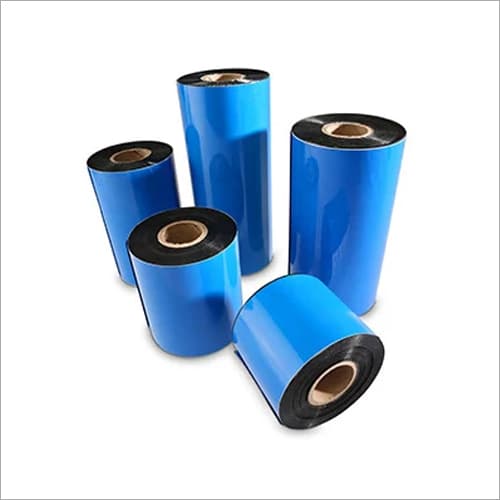
Thermal transfer stickers use a ribbon-based printing process. A thermal printhead heats the thermal transfer ribbon, which transfers ink onto the label material. This creates durable, long-lasting prints that resist fading, smudging, and environmental exposure. The ribbon melts onto the label surface, forming a bond that can withstand heat, moisture, sunlight, and chemicals.
This technology is widely used in barcode printing, product labelling, inventory management, and compliance labelling across industries in India. Thermal transfer printers from brands like Zebra, TSC, and Honeywell are compatible with these labels.
Best for:
- Product labels that need to last 12 months or more
- Warehouse and inventory labels exposed to handling
- Labels exposed to heat, sunlight, or moisture
- Compliance labels with barcodes that must remain scannable
- GARMENT WASHCARE LABELS that survive multiple washes
- Asset tags and equipment identification labels
What Are Direct Thermal Stickers?
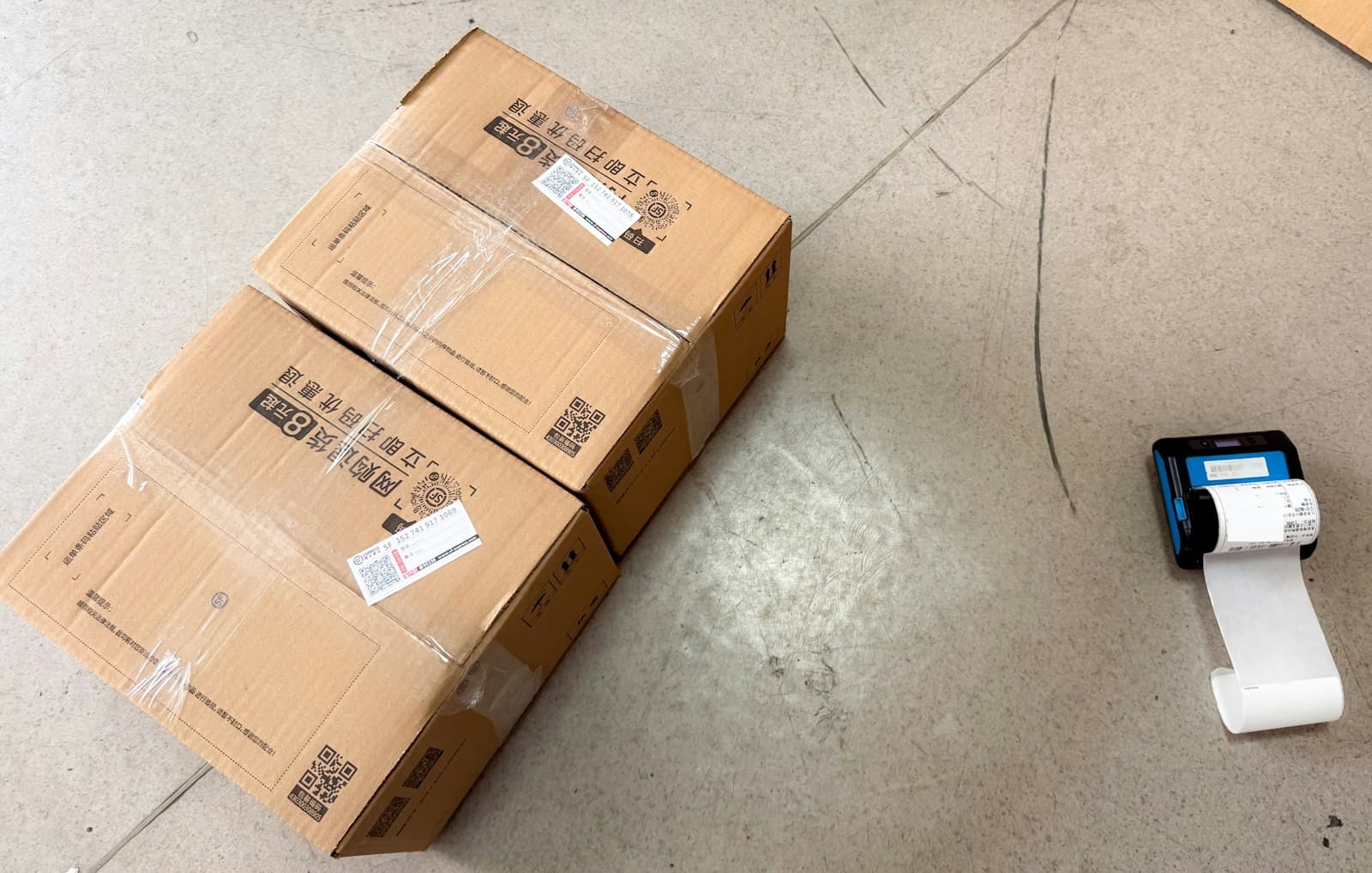
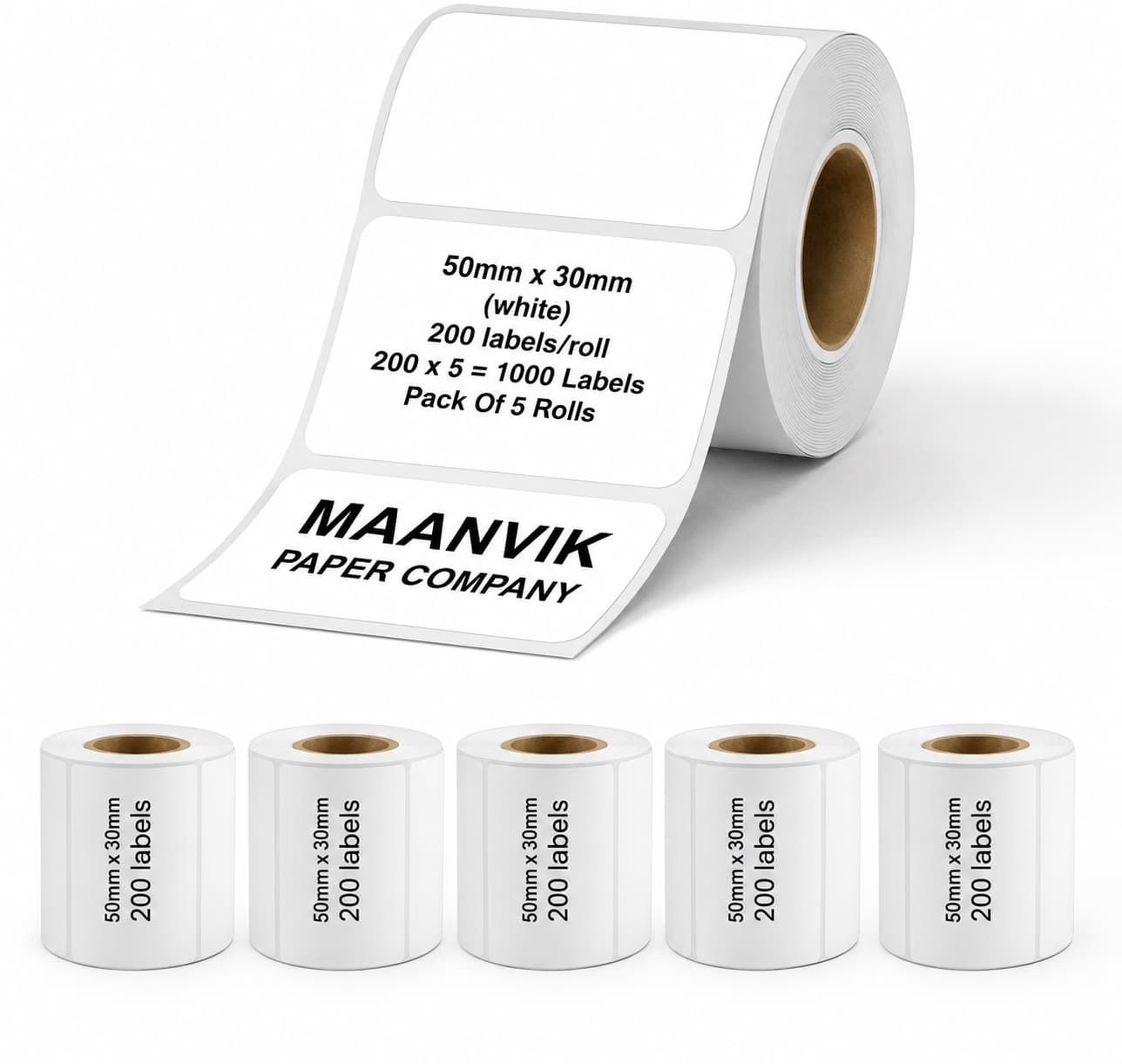
Direct thermal stickers use heat-sensitive paper that darkens when exposed to the thermal printhead. No ribbon is needed, making the process simpler and more cost-effective for short-term applications. The label material itself contains chemicals that react to heat, producing a dark print without any ink or toner.
This makes direct thermal printing ideal for high-volume, short-life applications where labels are used and discarded within weeks. It is the preferred technology for e-commerce shipping labels, Amazon FNSKU labels, Flipkart shipping stickers, and invoice stickers.
Best for:
- Shipping labels for couriers and logistics
- E-commerce labels for Amazon, Flipkart, Meesho
- Invoice stickers and packing slips
- Short-term tracking labels
- Receipt and ticket printing
- Batch processing labels used within 30 days
Key Differences: Thermal Transfer vs Direct Thermal
| Feature | Thermal Transfer Stickers | Direct Thermal Stickers |
|---|---|---|
| Ribbon Required | Yes (wax, wax resin, or resin ribbon) | No ribbon needed |
| Durability | High — lasts 2-5 years | Low — fades within 6-12 months |
| Cost Per Label | Higher (ribbon cost adds up) | Lower (no ribbon expense) |
| Print Quality | Excellent — sharp barcodes and text | Good — suitable for standard barcodes |
| Environmental Resistance | Resists heat, moisture, UV, chemicals | Sensitive to heat and sunlight |
| Smudge Resistance | High — wax resin ribbons are smudge-proof | Moderate — can smudge with friction |
| Best Use Case | Permanent labels, product tags, washcare | Shipping labels, e-commerce, invoices |
| Printer Compatibility | Most thermal transfer printers | Direct thermal capable printers only |
Which Should You Choose for Your Business?
Choose thermal transfer stickers if you need labels that last longer than 6 months, will be exposed to harsh conditions, or require high-resolution barcodes that must remain scannable for years. These are ideal for product manufacturers, garment companies, pharmaceutical businesses, and industrial warehouses in India.
Choose direct thermal stickers if you need labels for shipping, short-term tracking, or high-volume e-commerce operations where labels are used within weeks and discarded. These are perfect for Amazon sellers, Flipkart sellers, logistics companies, and retail businesses that process large volumes daily.
Cost Comparison: Which Saves More Money?
For high-volume printing (1000+ labels per day), direct thermal stickers are significantly cheaper because you eliminate the ribbon cost entirely. A wax ribbon costs between ₹200-₹500 and prints approximately 300-450 metres of labels. For businesses printing thousands of labels daily, this ribbon cost adds up quickly.
However, for low-to-medium volume printing where label durability matters, thermal transfer stickers offer better value because the labels last years instead of months, reducing re-labeling costs and ensuring barcodes remain scannable throughout the product lifecycle.
Conclusion
Both thermal transfer and direct thermal stickers are excellent for their intended use cases. At Maanvik Paper Co., we stock both types of self-adhesive labels in various sizes and formats. Based in Bawana Industrial Area, Delhi, we supply to businesses across India. Contact us for expert advice on choosing the right barcode labels and thermal stickers for your specific application.
Need the Right Labels for Your Business?
Maanvik Paper Co. manufactures and supplies self-adhesive labels, barcode stickers, thermal ribbons and barcode equipment across India. Get in touch for bulk orders and competitive pricing.