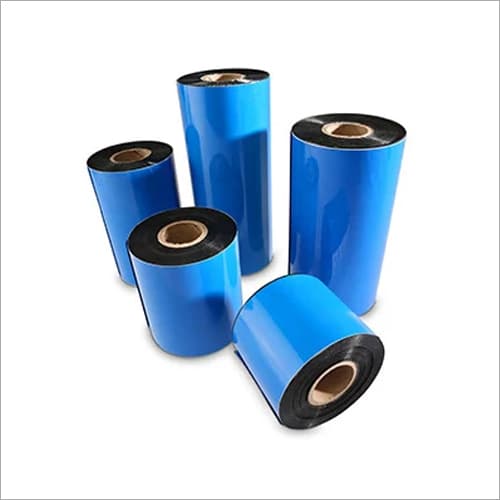
Choosing the right thermal transfer ribbon is just as important as choosing the right label material. The ribbon determines print quality, durability, smudge resistance, and overall cost per label. For businesses in India that rely on barcode printing — whether for product labels, shipping stickers, or inventory tags — understanding the difference between wax ribbons and wax resin ribbons is critical.
In this comprehensive guide, we compare wax vs wax resin ribbons across every factor that matters: composition, print quality, durability, cost, compatibility, and ideal use cases. By the end, you will know exactly which thermal transfer ribbon to buy for your barcode printer.
What Are Wax Ribbons?
Wax ribbons are the most commonly used thermal transfer ribbons in India. They are made primarily of paraffin wax and offer excellent print quality at the lowest cost per label. When heated by the thermal printhead, the wax melts and bonds with paper-based label materials, creating clear, scannable barcodes and text.
Wax ribbons are the go-to choice for businesses that need cost-effective barcode printing without compromising on print clarity. They work best with paper labels and are compatible with most thermal transfer barcode printers from brands like Zebra, TSC, Honeywell, and Brother.
Advantages of Wax Ribbons:
- Most cost-effective option for thermal transfer printing
- Sharp, clear printing on paper-based label materials
- Wide compatibility with all major barcode printer brands
- Ideal for high-volume printing — lowers cost per label significantly
- Good barcode scannability for standard 1D barcodes
- Available in multiple widths (40mm, 50mm, 60mm, 110mm)
Best Applications for Wax Ribbons:
- Barcode labels for retail and inventory
- Shipping labels for courier and logistics companies
- Inventory tags for warehouse management
- Price tags for retail stores
- Box labels and carton labels
- E-commerce shipping stickers (Amazon, Flipkart)
What Are Wax Resin Ribbons?
Wax resin ribbons are a blend of wax and synthetic resin, offering better durability than pure wax while remaining more affordable than pure resin ribbons. The resin component adds smudge resistance, scratch resistance, and chemical resistance to the printed output.
Wax resin ribbons produce sharper, more detailed prints that withstand handling, friction, and mild environmental exposure. They are the preferred choice for product labels that need to look professional for months, small barcodes that require crisp edges, and synthetic label materials like polypropylene and polyester.
Advantages of Wax Resin Ribbons:
- Better smudge resistance than pure wax ribbons
- Improved durability on both paper and synthetic materials
- Sharper detail for small barcodes and fine text
- Good resistance to mild chemicals and abrasion
- Longer-lasting prints — 1-3 years on most surfaces
- Excellent for 2D barcodes (QR codes, DataMatrix)
Best Applications for Wax Resin Ribbons:
- Product labels requiring professional appearance
- Labels handled frequently by customers or staff
- Small barcode printing with high detail requirements
- Synthetic label materials (polypropylene, polyester)
- Healthcare and pharmaceutical labels
- Electronics identification labels
Wax vs Wax Resin: Detailed Comparison
| Feature | Wax Ribbons | Wax Resin Ribbons |
|---|---|---|
| Composition | Mostly paraffin wax | Wax and synthetic resin blend |
| Durability | Standard (6-12 months) | High (1-3 years) |
| Smudge Resistance | Good | Excellent |
| Scratch Resistance | Fair | Good |
| Print Quality | Good — suitable for standard barcodes | Excellent — sharp for small barcodes |
| Cost Per Label | Lower | Moderate |
| Best For | Paper labels, shipping, inventory | Product labels, synthetic materials |
| Lifespan | 6-12 months indoors | 1-3 years indoors |
| Chemical Resistance | Low | Moderate |
| Printer Compatibility | All thermal transfer printers | All thermal transfer printers |
When to Use Wax Ribbons
- High-volume printing where cost per label matters most — wax ribbons are the cheapest per-metre option
- Paper-based shipping and inventory labels that don't need to last beyond a few months
- Labels that don't need to last more than a year — warehouses, retail, logistics
- Indoor warehouse environments with minimal handling and environmental exposure
- E-commerce sellers printing thousands of shipping labels daily
- Budget-conscious businesses looking to reduce printing costs
When to Use Wax Resin Ribbons
- Product labels that need to look professional for months in retail environments
- Labels handled frequently by customers, staff, or during transit
- Small barcodes that need crisp, scannable edges — especially 2D codes like QR
- Synthetic or coated label materials (polypropylene, polyester, vinyl)
- Healthcare, pharmaceutical, and electronics labels requiring durability
- Outdoor or semi-outdoor labels exposed to mild weather conditions
How to Choose the Right Ribbon for Your Printer
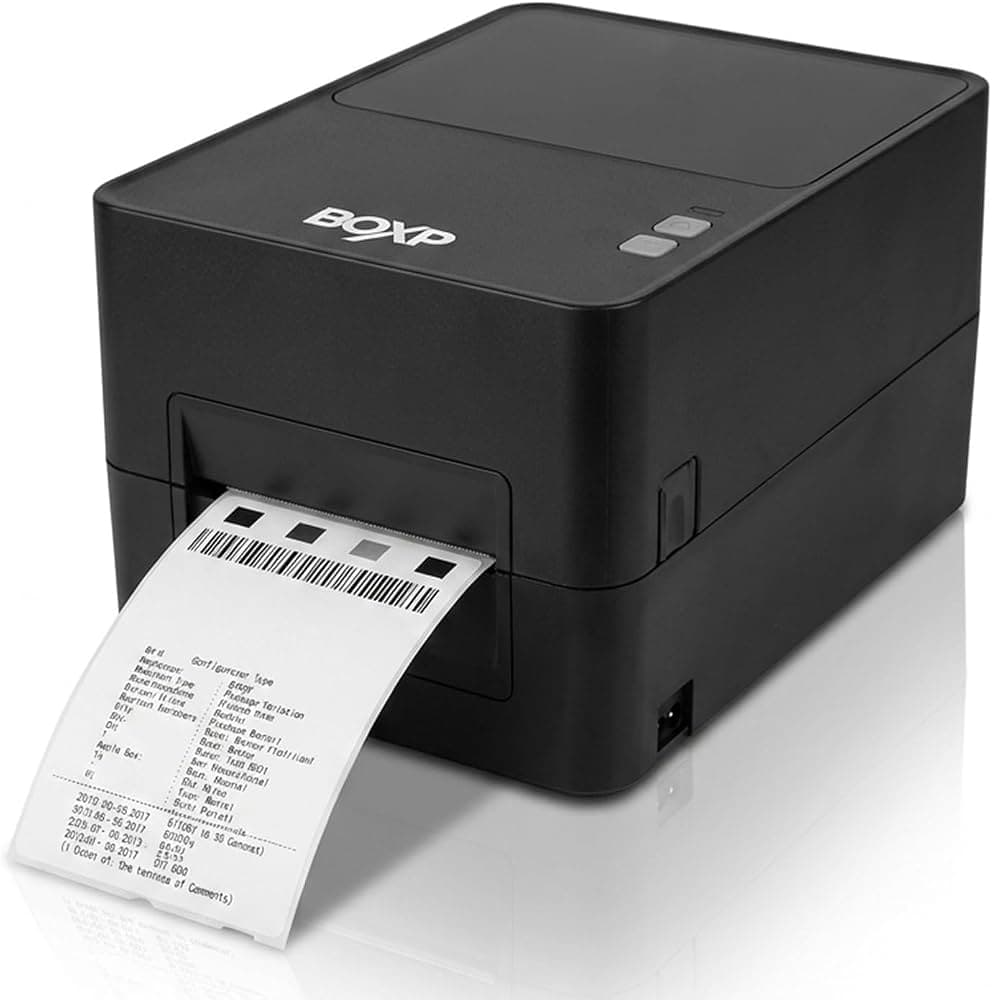
Most thermal transfer barcode printers support both wax and wax resin ribbons. Check your printer specifications for ribbon compatibility. Common ribbon widths are 110mm (for 4-inch printers) and 50mm (for 2-inch printers). Always match the ribbon width to your label width for optimal print quality.
Popular barcode printer models compatible with both ribbon types include: Zebra ZT231, TSC TTP-244 Pro, Honeywell PC45t, and Brother TD-4550DNWB. Contact Maanvik Paper Co. for ribbon recommendations based on your specific printer model.
Summary
Wax ribbons are your go-to for cost-effective, high-volume printing on paper labels. Wax resin ribbons step up the durability when you need labels that withstand handling, moisture, and time. Both are available at Maanvik Paper Co. in Delhi, with supply across India. Contact us for the right thermal transfer ribbon recommendation for your barcode printing needs.
Need the Right Labels for Your Business?
Maanvik Paper Co. manufactures and supplies self-adhesive labels, barcode stickers, thermal ribbons and barcode equipment across India. Get in touch for bulk orders and competitive pricing.